Simone Anzà, PhD
life science researcher

Multi-omics

I applied ML approaches to investigate associations of multi-omics data with diet, gut metagenomes, and cardio-metabolic markers of health and diseases in 4 cohorts of more than 20,000 people.
Gut microbiome

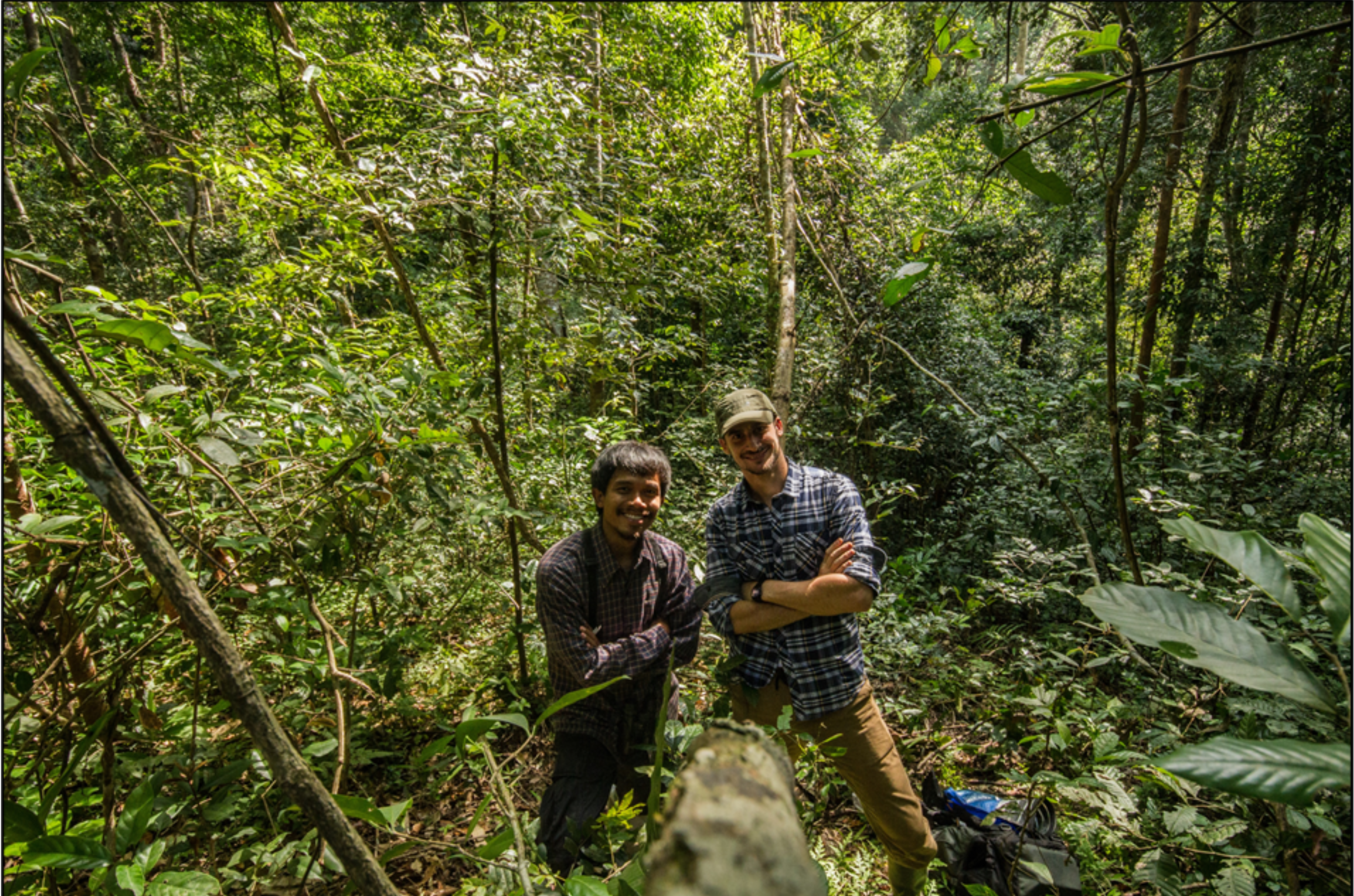
I performed DNA extraction via 16S rRNA and 18S rRNA sequencing, and DNA amplification, and used established pipelines to identify the gut bacteria belonging to a wild primate species.
Photogrammetry

I tested and validated a novel method to measure an animal body size in a non-invasive way, and to estimate its body growth trajectory curves via parallel digital laser photogrammetry.
Market Theory
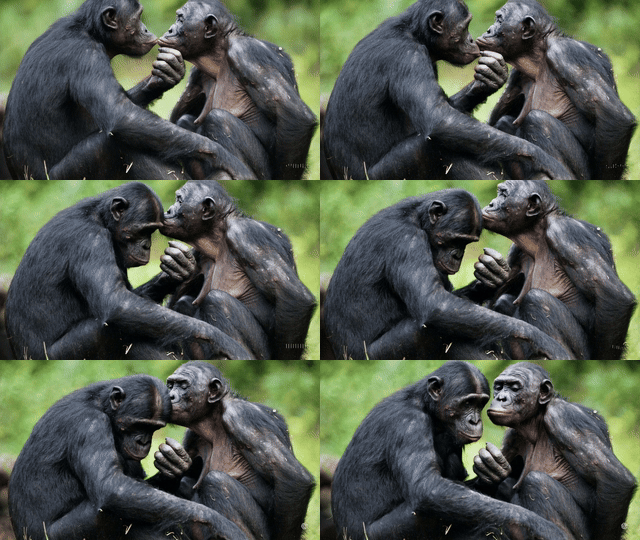
I investigated on the human evolution of economic market by studing the exchange of sex for commodities according to the rule of supply/demand in the closest human relative, the bonobos.
MAIN RESEARCH
What are the consequences of stress during pregnancy on child health and development?

The eLABE cohort and my work at the WashU School of Medicine
The Early Life Adversity, Biological Embedding (eLABE) study is a longitudinal research initiative led by the Washington University School of Medicine in St. Louis. Its primary goal is to explore how experiences during pregnancy and early life influence brain development and the overall well-being of mothers and children.
My role involves leveraging insights from my research on primates and applying them to human studies. Specifically, I focus on identifying the epigenetic transgenerational effects of social disadvantage during pregnancy on child development. This includes investigating how adversity impacts the microbiome-gut-brain axis and psychological traits.

My PhD at the research group Sociality and Health in Primates
In the DFG (German Research Foundation) research group entitled Sociality and Health in Primates, scientists from Göttingen, Berlin and Leipzig investigated the effects that group living has on health.
As part of the research group, my PhD contribution was to provide a developmental perspective on adult health— I investigated the effects of prenatal maternal stress on gut microbiome, reproduction, body growth and sociality of a wild primate species.
I want to thank the German Research Foundation (DFG) has provided financial support for the research group, and for my PhD.

highlights
New project: KernelScience
I believe that scientists are important business driving forces and can have a strong impact on corporations and companies. Ultimately, I want to use science in business to improve operations, increase efficiency, drive growth, and innovate sustainably.
 Simone Anzà, PhD — Life Science Researcher